October 14, 2026
Hidden Dangers of Mold Growth on Carpet Backing and How to Address Them
By @moldgrowthcarpetbackingblog
Understanding the Problem Beneath Your Feet
Most people don't think about what is happening underneath their carpet until an odor or a stain forces the issue. But the truth is that mold growth on carpet backing can develop quietly, sometimes for months, before you realize it is there. I have seen this happen in homes that look perfectly clean on the surface and in commercial spaces where routine cleaning missed the deeper layer. The backing of a carpet - the material between the fibers and the padding - is often made from latex, jute, or synthetic foam. These materials trap moisture easily. Once moisture gets in, the environment becomes ideal for mold and mildew to take hold.
Over the years I have worked with property managers and homeowners who assumed that a quick shampoo would solve their mold problem. It rarely does. Mold growth on carpet backing is a different animal. It is hidden. It can spread to the subfloor without anyone noticing. And it directly affects air quality inside the building. If you have ever walked into a room and felt a musty heaviness in the air, that is often the first sign that mold is active under the carpet.
Why Carpet Backing Is a Prime Target for Mold
Mold needs three things to grow: a food source, moisture, and the right temperature. Carpet backing provides an excellent food source. The organic compounds in jute backing, for example, are a feast for mold spores. Even synthetic backings can support mold if dust and skin cells accumulate on them. The real trigger is moisture. A leaky pipe, a flood, high humidity, or even a spilled drink that was not dried properly can start the process. Once the moisture penetrates the backing, it stays there longer than it would on the surface because air circulation is limited.
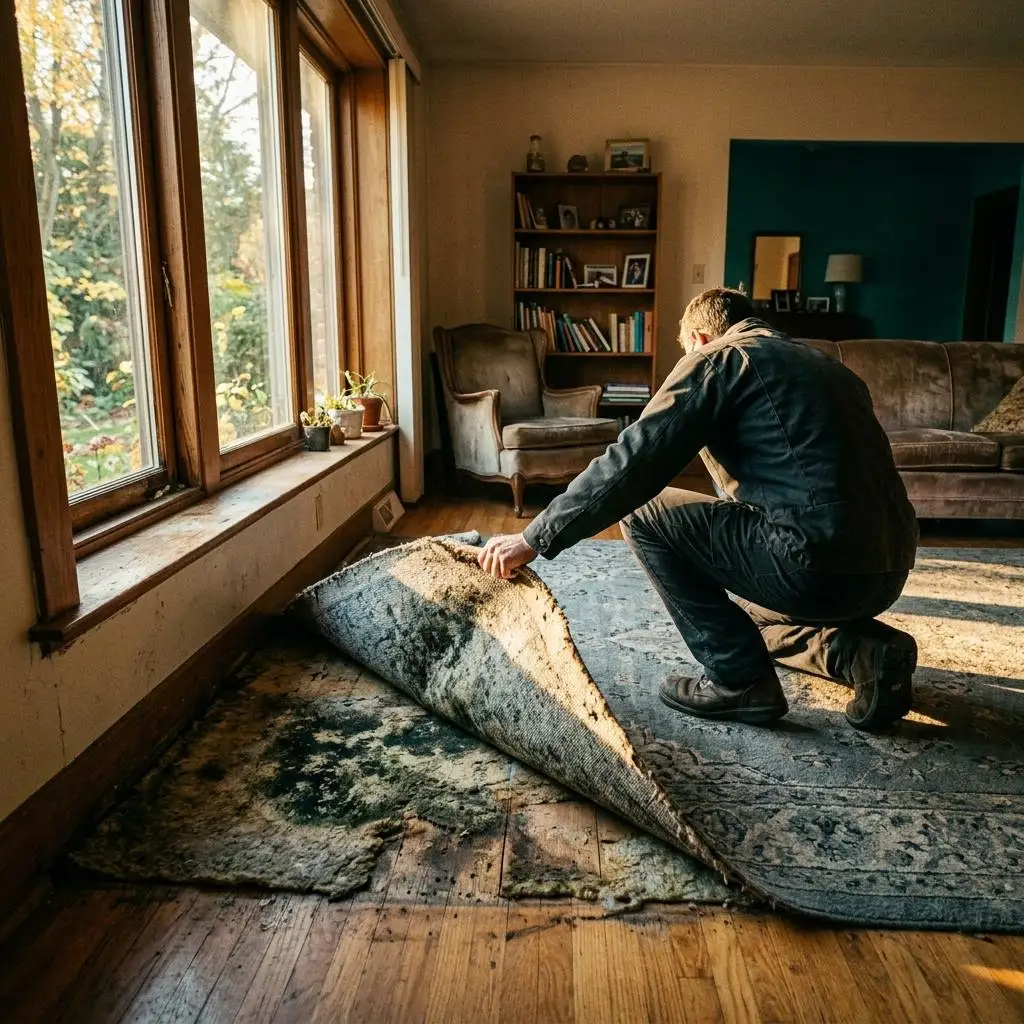
Black mold is the species people worry about most, and for good reason. It produces mycotoxins that can cause respiratory issues, headaches, and fatigue. But even common molds that are not black can trigger allergies and worsen asthma. I once tested a room in an office building where the carpet looked fine from above. When I lifted a corner, the backing was covered in a grayish fuzz. The occupants had been complaining about headaches for weeks. That is the reality of hidden mold growth on carpet backing - it can affect health before anyone sees it.
Common Causes and Early Signs
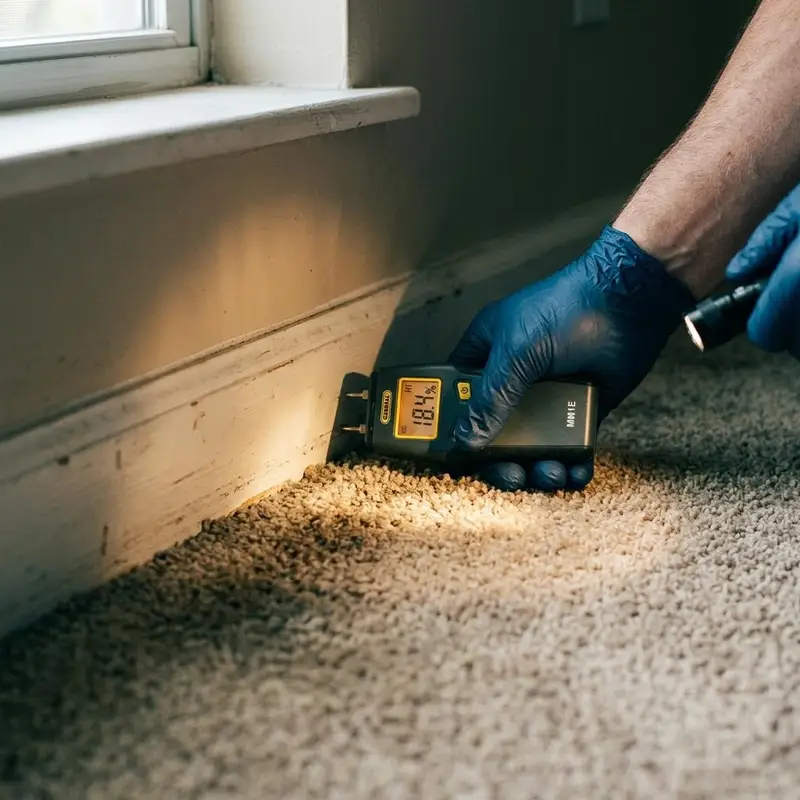
Moisture can come from many sources. A slow leak from a water heater, a spill that soaked through to the padding, or even steam cleaning done without proper drying time are all common culprits. In basements, high humidity and concrete subfloors that sweat can create chronic dampness under the carpet. I recommend using an infrared thermometer to check the temperature of the subfloor. If the floor is cooler than the room air, condensation can form underneath the carpet, creating a perfect breeding ground for mold.
Early signs include a musty smell, discoloration near walls or along seams, and visible spots on the backing if you lift the carpet edge. Some people also notice an increase in allergy symptoms or a feeling of stuffiness in the room. If you suspect mold, do not wait. The longer it sits, the more it spreads into the padding and subfloor. Mold remediation becomes more complicated and expensive the deeper it goes.
DIY Assessment and Containment
If you find mold on the carpet backing, the first step is to stop spreading spores. Seal off the area from the rest of the building. Close doors and windows and turn off HVAC systems that could circulate spores. Wear protective gear including gloves, goggles, and an N95 respirator. Do not use bleach on carpet backing. Many people reach for bleach because they think it kills everything, but bleach is mostly water. It can actually add more moisture to the backing and make the problem worse. Bleach also cannot penetrate porous materials like jute or foam. It kills surface mold but leaves the roots alive.
A better option for small, contained areas is white vinegar. Vinegar has a pH around 2.5, which is acidic enough to kill many types of mold without introducing extra moisture if used sparingly. Spray the vinegar onto a microfiber cloth and blot the affected area. Do not saturate the backing. After treatment, dry the area thoroughly with fans and a dehumidifier. For larger areas or mold that has spread into the padding, DIY is not enough. You need professional mold remediation.
Professional Mold Remediation Products and Methods
Professionals use a range of products designed specifically for mold on porous surfaces. Three that I have seen work well in carpet situations are Spray and Forget, Concrobium, and RMR-141. Each works differently. Spray and Forget uses a foaming action to lift mold from fibers. Concrobium encapsulates mold spores and leaves a residue that resists future growth. RMR-141 is a stronger cleaner that penetrates deep into backing materials. None of these are magic bullets. They need to be applied correctly, often with agitation and extraction, and the carpet must be dried completely afterward.
After treatment, a HEPA vacuum is essential. Standard vacuums blow mold spores back into the air. A HEPA vacuum traps them. I have seen professionals vacuum the same area three times before they are satisfied that the spores are gone. This is not overkill. Spores are microscopic and can survive for months waiting for the right conditions to grow again.
When Replacement Is the Only Option
Sometimes mold has penetrated too deeply. If the carpet backing is disintegrating or if the subfloor shows signs of mold, removal is the safest route. In those cases, the carpet and padding must be cut out and disposed of properly. The subfloor should be cleaned, dried, and treated before new carpet goes down. This is a job for trained professionals. Cutting moldy carpet releases a cloud of spores, so containment and protective gear are critical. Do not try to save a carpet that is falling apart. Your health and air quality are worth more than the cost of replacement.
Preventing Future Mold Growth
Once the mold is gone, prevention is about moisture control. Keep indoor humidity below 50 percent. Use a dehumidifier in basements and other damp areas. Address leaks immediately. When cleaning carpets, avoid overwetting. Steam cleaning can leave backing wet for up to 48 hours. If you steam clean, make sure the room is well ventilated and use fans to speed drying. Some professionals use a technique called dry cleaning or low-moisture cleaning to avoid this problem.

Check for mold regularly, especially in rooms with plumbing or high humidity. Lift a corner of the carpet every few months and look at the backing. Use your nose. If something smells off, investigate. An infrared thermometer can help you spot cold spots on the subfloor that might indicate condensation risk. A small investment in detection can save you from a much larger remediation bill later.
Final Thoughts
Mold growth on carpet backing is one of those problems that is easy to ignore until it becomes a crisis. But the good news is that it is preventable and treatable if you catch it early. The key is moisture control, quick action, and knowing when to call a professional. Whether you are maintaining your home or managing a commercial property, do not let mold hide beneath your carpet. Your air quality depends on it.
❧